
Why Does My Car Battery Keep Dying? (5 Causes)

November 16, 2026

Share this article

A car battery keeps dying because of factors such as old age, terminal corrosion, a failing alternator, or parasitic drain where electronics remain active after the engine stops. Identifying the specific root cause is essential to prevent recurring breakdowns and ensure your vehicle starts reliably every time you turn the key.

Why does my car battery keep dying repeatedly?

If you find yourself reaching for jumper cables every other morning, the problem has moved past a simple accidental light left on. When a vehicle's battery fails to hold a charge consistently, it indicates a breakdown in the electrical cycle. Your battery is designed to provide a massive burst of energy to start the engine and then act as a stabilizer for the electrical system while the alternator takes over the heavy lifting. If the battery is damaged internally, or if the alternator isn't replenishing that spent energy, the cycle breaks.

Persistent battery failure is often a symptom of an underlying issue rather than the root cause itself. For many drivers in Northern Lapeer County, the fluctuating Michigan temperatures can also play a major role. A battery that worked fine in the autumn may suddenly fail when the first deep freeze hits, simply because the chemical reaction required to produce electricity slows down in the cold. Understanding "why does my car battery keep dying" requires looking at the vehicle as a complete system where the battery, alternator, and wiring all work in harmony.

Common Causes of a Dead Car Battery

Before diving into complex electrical diagnostics, it is important to rule out the most common physical and chemical reasons for power loss. Batteries are consumable items with a finite lifespan, and they are susceptible to environmental damage. At Faithful Auto & Truck Repair, we often see these three primary culprits during our initial inspections:

  • Battery Age: Most lead-acid batteries have a lifespan of 3 to 5 years. Beyond this point, the internal lead plates degrade.
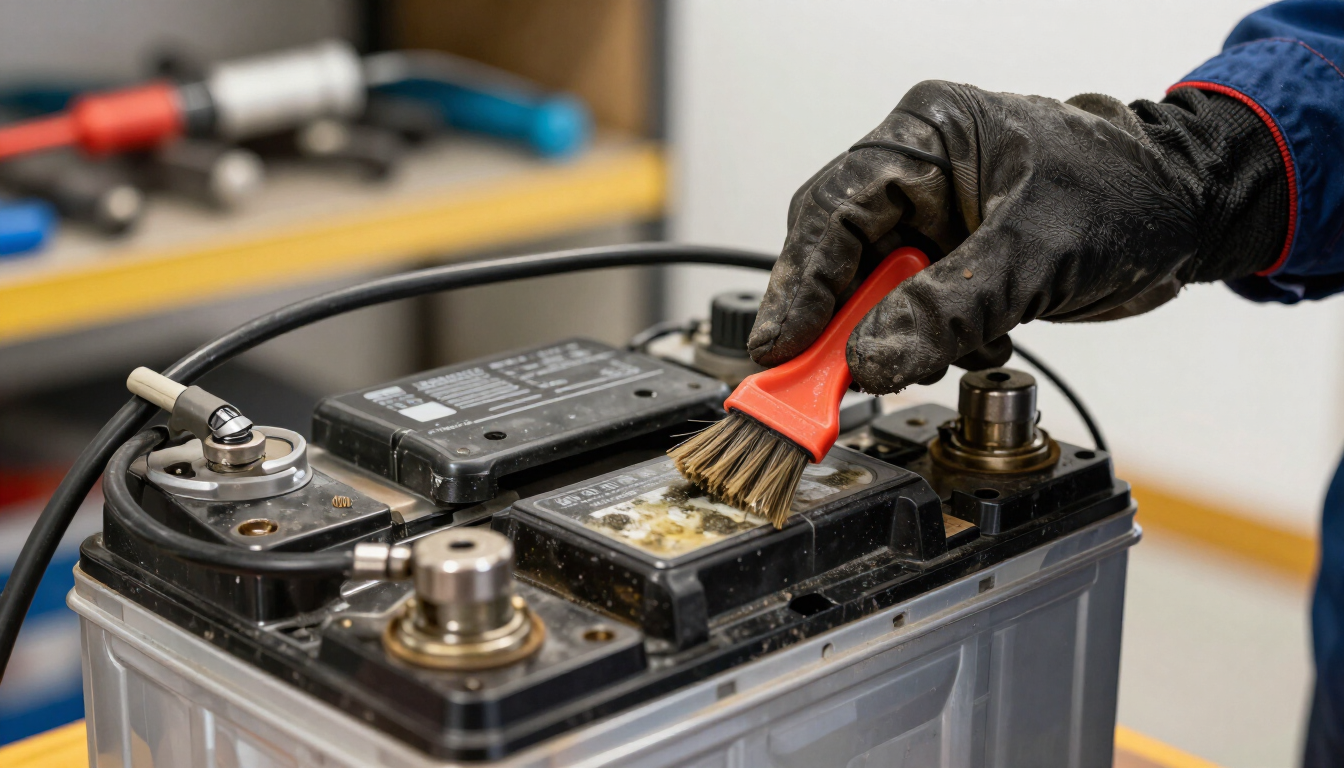
  • Corroded Connections: Acid leaks can cause white, ashy buildup on terminals, which acts as an insulator and prevents the battery from charging.
  • Loose Cables: Vibration from driving can loosen the clamps on the battery posts, leading to intermittent power delivery.
  • Frequent Short Trips: If you only drive a few minutes at a time, the alternator doesn't have enough time to fully recharge the battery after the initial start.
  • Deep Discharge Cycles: If a battery has been fully drained multiple times, it loses its ability to hold a full charge again.
Car Battery Maintenance

Is a parasitic drain causing your battery issues?

One of the most frustrating reasons for a dead battery is a "parasitic drain." This occurs when something in your vehicle continues to draw power from the battery even after the ignition is turned off and the doors are locked. While modern cars always have a very small amount of draw to maintain clock settings and alarm systems, a parasitic drain is an abnormal draw that can flatten a healthy battery overnight.

Finding a parasitic drain requires patience and specialized tools, such as a multimeter, to track the flow of electricity through the fuse box. Common sources of these drains include glove box lights that stay on, faulty aftermarket alarm systems, or internal computer modules that fail to enter "sleep mode." Because we strive to "Redefine The Auto Repair Experience," our team takes the time to perform these detailed diagnostic services to ensure we aren't just selling you a battery you don't need, but actually fixing the source of the leak.

How human error leads to battery failure

Sometimes, the reason for a dead battery isn't a mechanical failure, but a simple mistake. We have all been there—rushing into the house after a long day and forgetting to double-check the interior settings of the car. These small errors can lead to a call for a tow truck the next morning. Common human-related causes include:

  1. Leaving Headlights On: Many modern cars have auto-off features, but older models or manual overrides can leave lights burning all night.
  2. Interior Dome Lights: A door that isn't shut completely can keep the dome light active, slowly sipping power.
  3. Plugged-in Accessories: High-draw devices left in 12V outlets (cigarette lighters) that remain active when the car is off.
  4. Trunk or Glovebox Misalignment: If a latch is slightly bent, the internal light may stay on without you ever seeing it from the outside.

If you find yourself making these mistakes often, it might be worth checking if your car’s automatic light sensor is functioning correctly. You can learn more about our commitment to quality service on our About Us page, where we discuss our faith-based approach to helping every customer with honesty and transparency.

How can extreme temperatures affect battery life?

Living in Michigan means dealing with extreme seasonal shifts. Both intense heat and freezing cold are enemies of battery chemistry. In the summer, high heat can cause the liquid electrolyte inside the battery to evaporate, damaging the internal structure and leading to a shorter overall lifespan. Heat actually does more damage to the internal components than cold does, but the cold is when the failure becomes apparent.

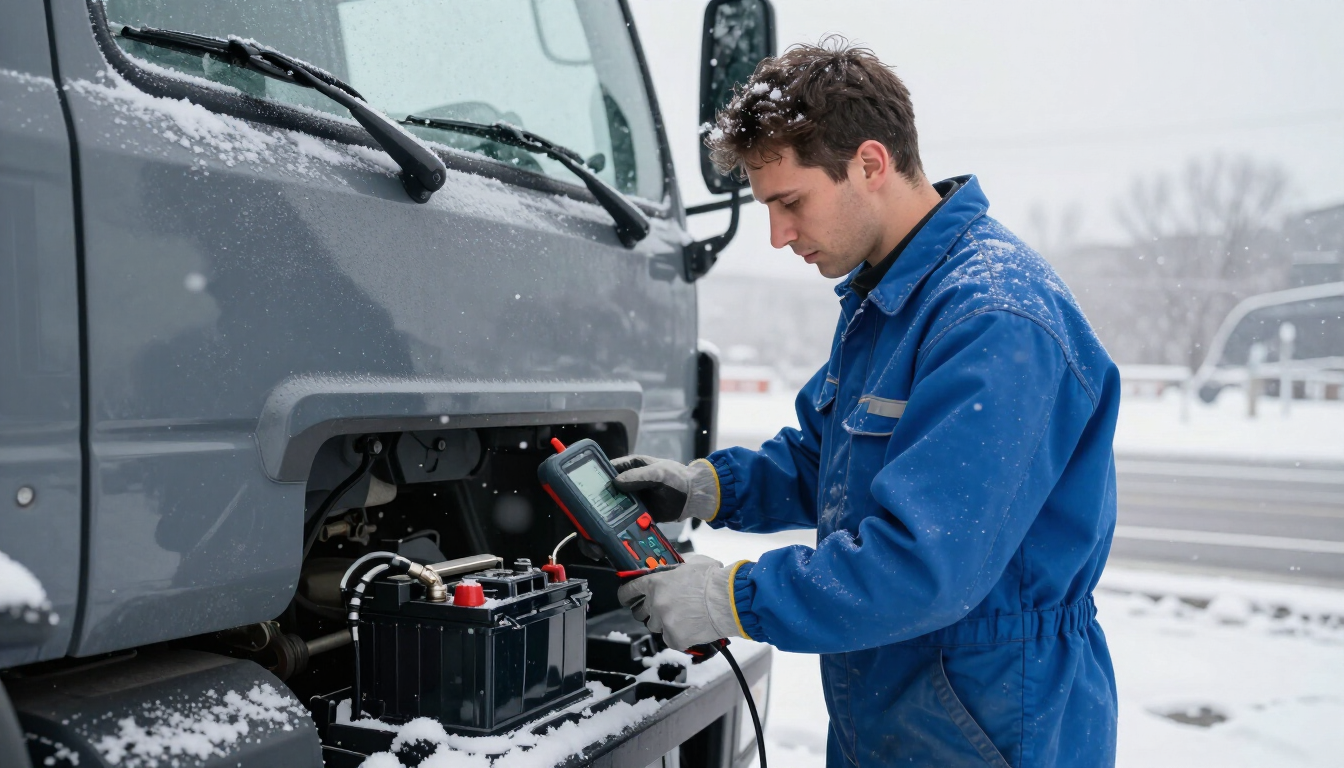
In the winter, the engine oil becomes thicker, which requires more amperage from the battery to turn the engine over. Simultaneously, the battery's available power output drops significantly in freezing temperatures. If your battery was already weakened by the summer heat, the first cold snap in Lapeer County will likely be the moment it finally gives out. This is why we recommend getting a battery load test as part of your seasonal vehicle maintenance to catch potential failures before they leave you stranded in the snow.

Mechanic Testing Battery

Is your alternator failing to charge the battery?

If the battery itself is relatively new but still keeps dying, the culprit is often the alternator. The alternator is your car’s miniature power plant; its job is to run the electrical systems and recharge the battery while the engine is running. If the alternator is failing, the car will run solely off the battery’s stored energy until it is completely depleted, at which point the engine will stall.

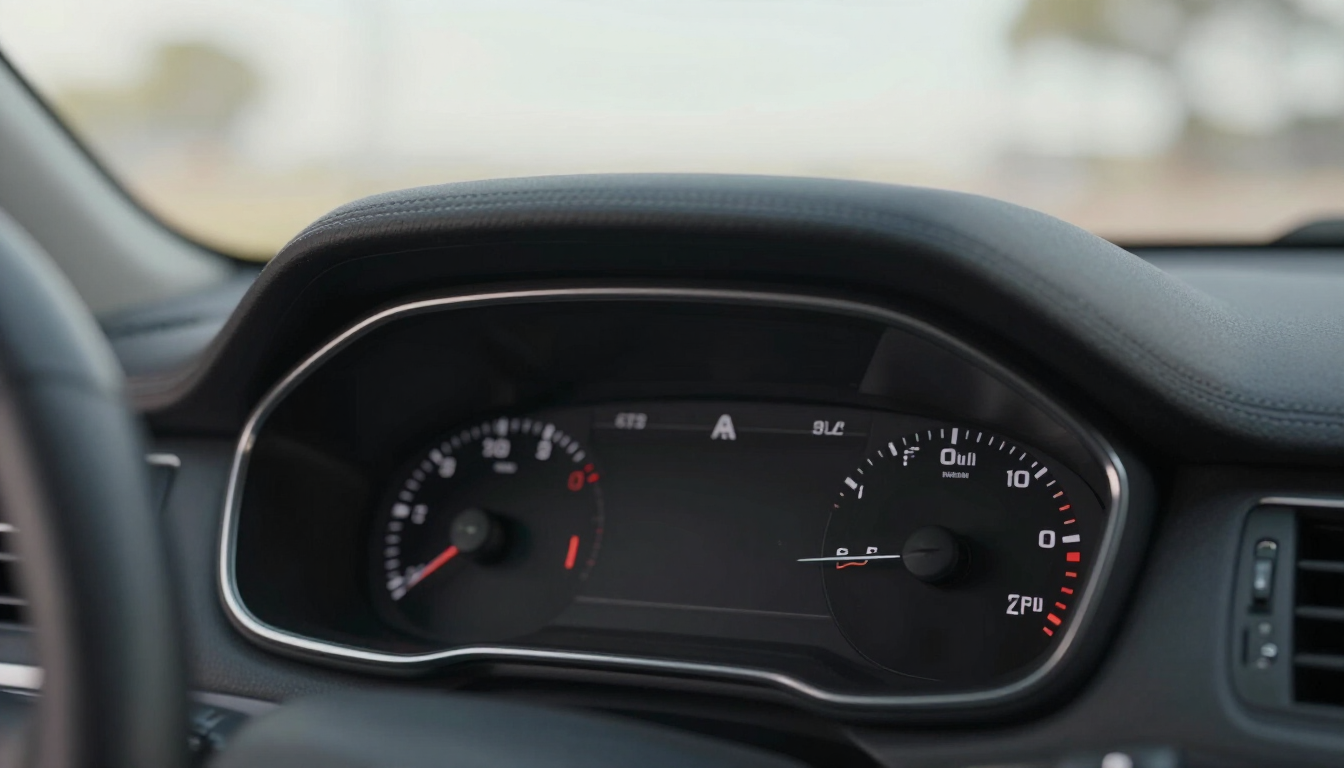
Signs of a failing alternator include dimming headlights while idling, a battery warning light on the dashboard, or strange whining noises from the engine bay. At Faithful Auto & Truck Repair, we specialize in comprehensive transmission & diesel work as well as general electrical repairs. We can test your alternator's output to ensure it is providing the correct voltage (typically between 13.5 and 14.5 volts) to keep your battery healthy. If you suspect an alternator issue, check our Special Offers for any current deals on electrical system inspections.

When is it time to replace your car battery?

Knowing when to say goodbye to your old battery can save you a lot of grief. While a jump-start might get you home today, it isn't a permanent fix for a battery that has reached the end of its chemical life. You should consider a replacement if you notice any of the following:

  • The Engine Cranks Slowly: It sounds like the car is struggling to "wake up."
  • Visible Swelling: The battery case looks bloated or misshapen due to heat or overcharging.
  • Old Age: If the sticker on the battery shows it is more than 4 years old.
  • Foul Odors: A rotten egg smell indicates the battery is outgassing or leaking sulfuric acid.
  • Frequent Jumps: If you’ve had to jump-start the car more than twice in a single month.

Replacing a battery is a straightforward task for our technicians, and we ensure the old battery is recycled responsibly. We treat every vehicle with the care and integrity that our founders, Bill McKnight and Mike Hutchinson, envisioned when they started this company on Christian principles.

Proactive Battery Maintenance Tips

To extend the life of your battery and avoid the question of "why does my car battery keep dying," follow these simple maintenance steps:

  1. Keep it Clean: Regularly wipe down the top of the battery to remove dirt, which can create a path for a small electrical leak.
  2. Check the Brackets: Ensure the battery is held down tightly; excessive vibration can damage internal plates.
  3. Minimize Power Use While Off: Don't use the radio or lights for long periods while the engine is not running.
  4. Get Regular Tests: Ask for a battery health check during every oil change.
  5. Drive Longer Distances: Once a week, take a 20-minute highway drive to allow the alternator to fully top off the charge.

If you have questions about your specific vehicle or need a professional opinion, feel free to Contact Us or visit our shop in Lapeer County. We are here to serve you and help you stay on the road safely.

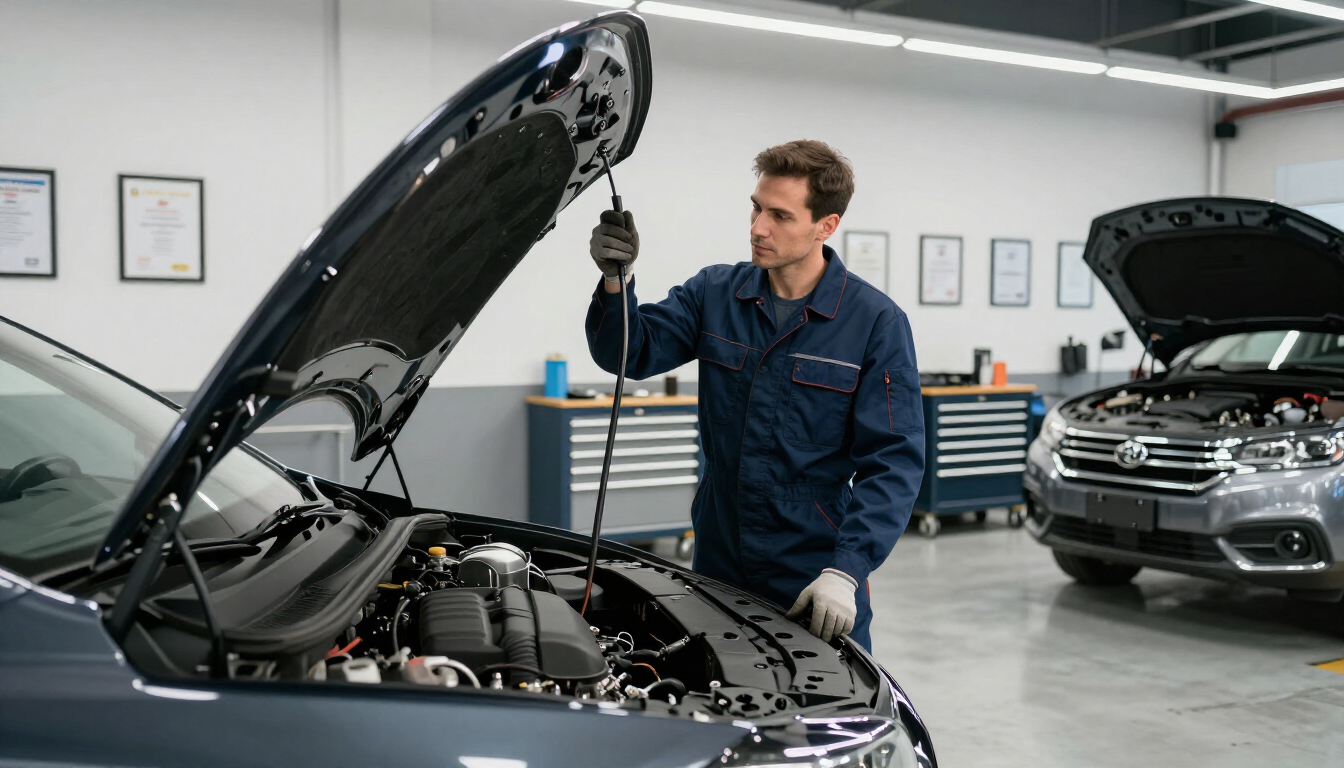
Modern Auto Repair Shop

Summary of Why Your Battery Keeps Failing

In conclusion, a recurring dead car battery is usually the result of an aging battery, a parasitic electrical drain, or a faulty charging system. While human errors like leaving lights on are common, environmental factors like Michigan’s extreme weather often accelerate the degradation of the battery's internal chemistry. To ensure your vehicle remains reliable, perform regular visual inspections of the terminals and have your charging system tested annually by a professional.

Core Takeaways:

  • Check the Age: Replace batteries every 3-5 years to avoid unexpected failure.
  • Inspect Terminals: Keep connections tight and free of corrosion.
  • Monitor Electrical Load: Be mindful of accessories left plugged in while the vehicle is off.
  • Test the Alternator: Ensure your charging system is replenishing the battery as you drive.
  • Professional Diagnosis: If the cause isn't obvious, a parasitic drain test is necessary to find hidden power leaks.

For more tips and automotive advice, stay tuned to our Blog or stop by Faithful Auto & Truck Repair to experience a dealership alternative built on faith and excellence.

Recent Posts

Fuel gauge showing a full tank of gas in a modern car.
October 29, 2026
Learn why you should keep your gas tank full to prevent fuel pump failure, engine damage from sediment, and winter condensation issues in your vehicle.
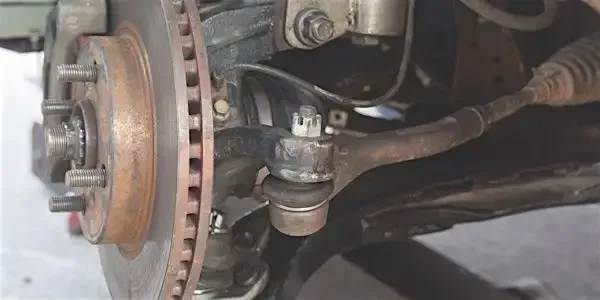
By faithfulauto • August 17, 2026
Small Parts That Play a Major Role in Vehicle Safety
Precision wheel alignment sensors on a car tire in a professional repair shop
July 29, 2026
Learn why wheel alignment is crucial for tire life, fuel efficiency, and vehicle safety. Discover the signs of misalignment and how Faithful Auto helps.
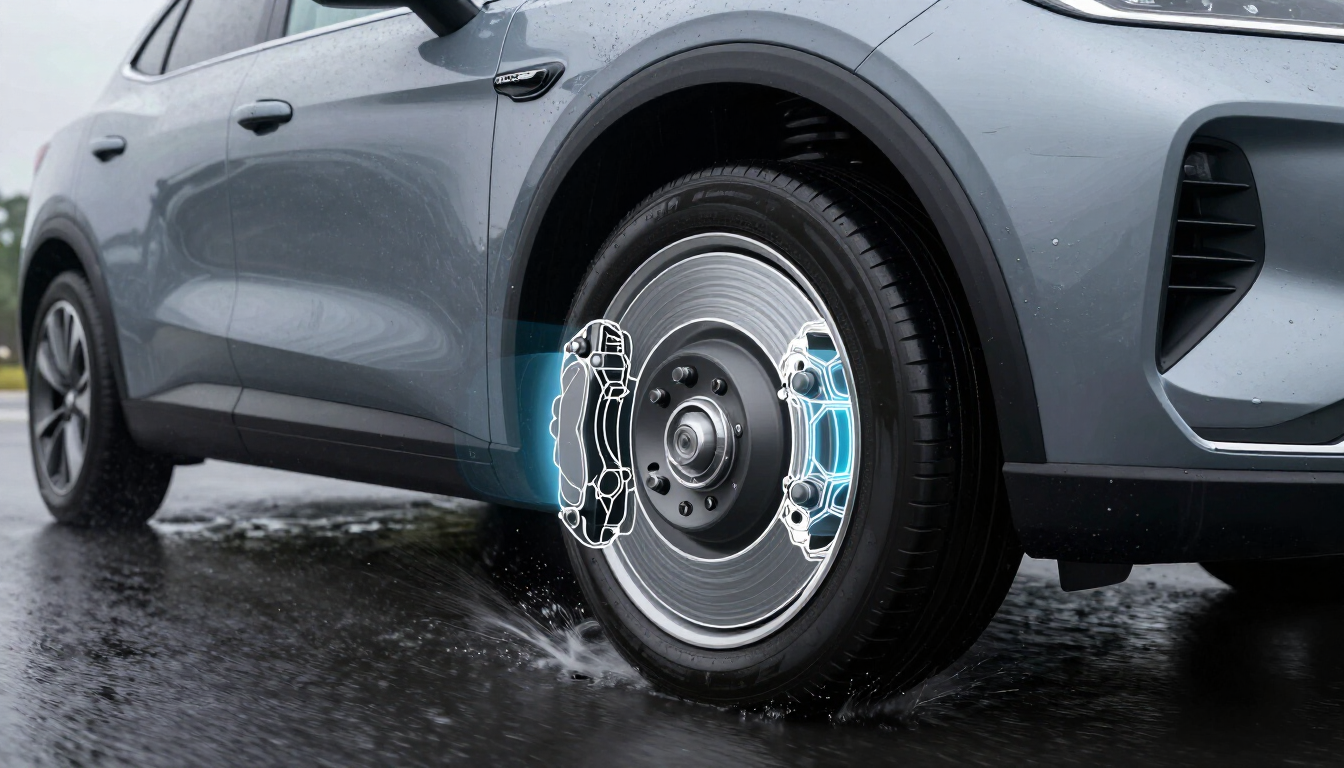
Close up of a vehicle brake rotor and ABS sensor system
July 15, 2026
Learn how your (ABS) works, why the ABS light comes on, and how to maintain your vehicle's safety.
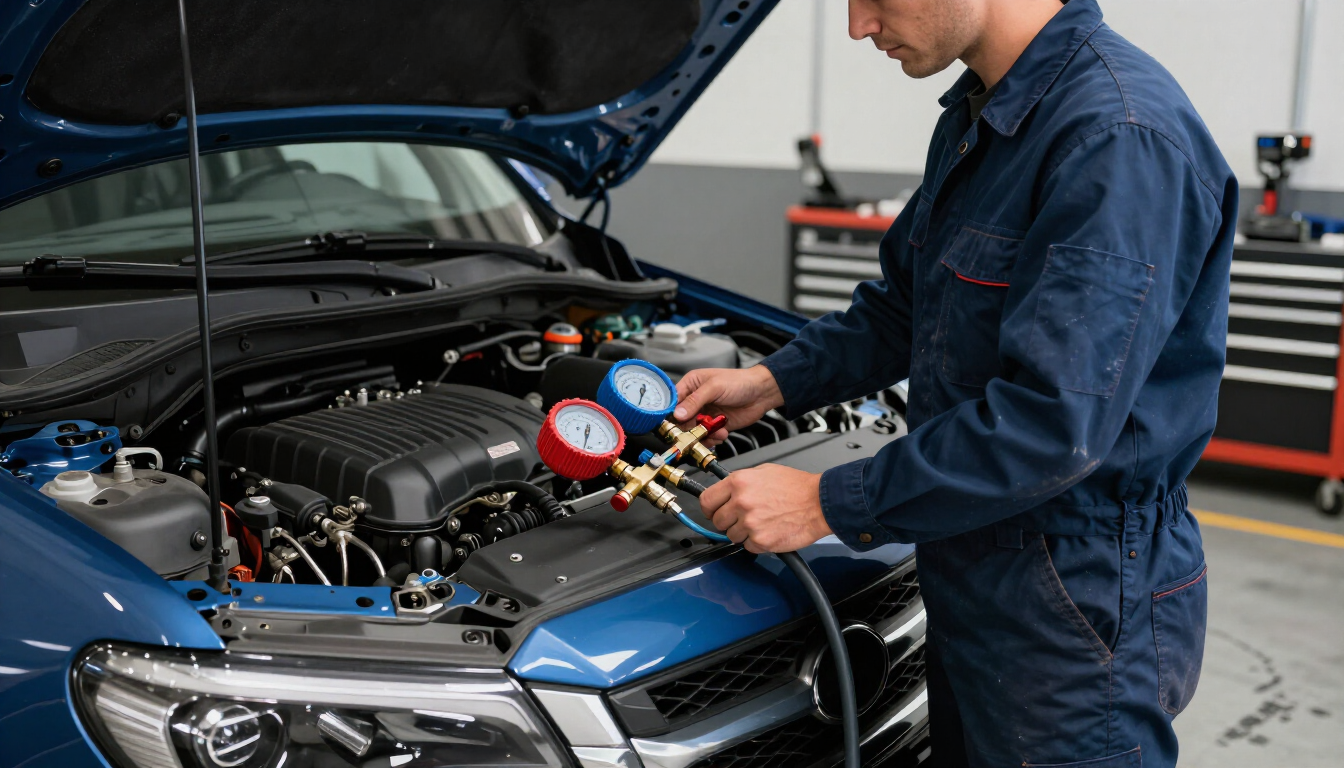
Mechanic checking car AC system with professional tools
June 24, 2026
Experiencing car AC problems? Learn about the 6 most common issues, from blowing hot air to high gas consumption, and find out how to fix them fast.
Blog Post
By faithfulauto • May 21, 2026
Faithful Auto can handle that
Engine oil being poured into a car engine tank
May 11, 2026
Learn causes for oil consumption, what is consider normal, and when you need repair
Close up of a new car brake caliper ready for installation.
April 30, 2026
Learn the critical signs of a bad brake caliper and why you should replace brake calipers to ensure road safety. Expert tips from Faithful Auto & Truck Repair.