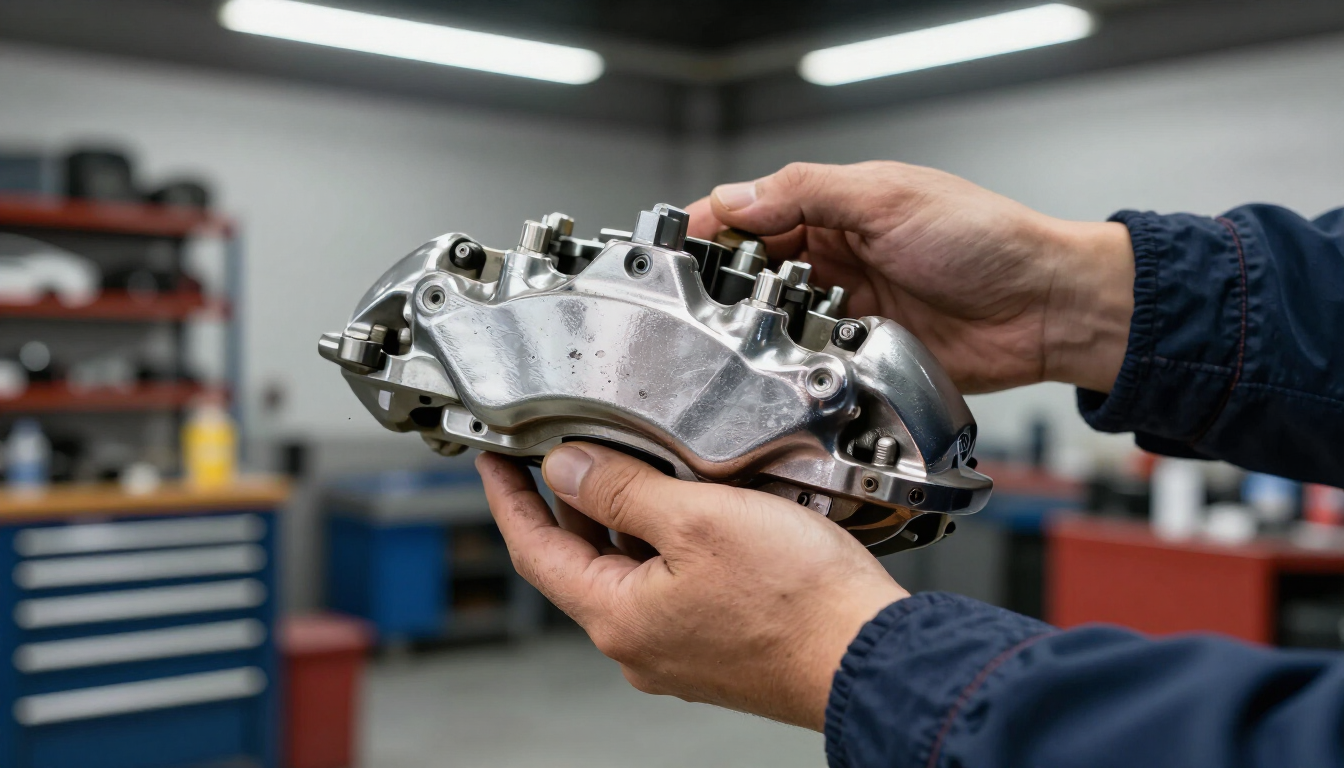
How Anti-Lock Brake Systems (ABS) Keep You Safe in 2026
An anti-lock brake system (ABS) is a specialized safety technology that prevents a vehicle’s wheels from locking up during intense braking. By rapidly modulating hydraulic pressure to the brakes, the ABS ensures that tires maintain tractive contact with the road, allowing the driver to maintain steering control and preventing uncontrolled skidding.
What is an Anti-Lock Brake System (ABS)?
At its core, the anti-lock brake system (ABS) is an automated system that uses the principles of threshold braking and cadence braking, techniques once practiced by expert drivers before the advent of computer-controlled systems. When you slam on your brakes in an emergency, the physical force can cause the wheels to stop rotating entirely while the vehicle is still moving. This is known as "lock-up."
When wheels lock, you lose the ability to steer because steering requires the tire to be rotating to direct the vehicle's path. The ABS prevents this by monitoring the speed of each wheel and, if it detects a wheel is about to stop rotating, it momentarily releases the brake pressure before reapplying it. This happens dozens of times per second, far faster than any human could pump a brake pedal. For drivers in Northern Lapeer County, this technology is vital during our unpredictable Michigan winters where icy patches can appear without warning.
How Does the ABS Benefit Your Daily Driving?
Many drivers assume that the primary goal of an anti-lock brake system is to shorten stopping distances. While it often does this on wet or slippery pavement, its most significant benefit is directional stability . Imagine you are driving and a deer jumps into the road. If you slam on the brakes and your wheels lock, your car will continue traveling in its original path of momentum, regardless of which way you turn the steering wheel. With a functioning ABS, you can brake hard and still steer around the obstacle.
Here are five key benefits of having a healthy ABS:
- Steering Control: Allows you to maneuver during emergency stops.
- Reduced Skidding: Minimizes the risk of the vehicle spinning out of control.
- Improved Safety on Slippery Surfaces: Provides better traction management on ice, snow, and rain.
- Lower Insurance Costs: Many providers offer discounts for vehicles equipped with advanced safety systems.
- Tire Longevity: Prevents "flat-spotting" which occurs when a locked tire slides across the pavement.
If you aren't sure if your system is operating correctly, we invite you to browse Our Services to see how we can help.

Key Components of Modern Anti-Lock Brake Systems
To understand why this system matters for your vehicle, it helps to know what is happening under the hood. The ABS isn't just one part; it is a network of components working in perfect harmony. At Faithful Auto & Truck Repair, we specialize in diagnosing each of these specific areas to ensure your car remains a "dealership alternative" in terms of quality and reliability.
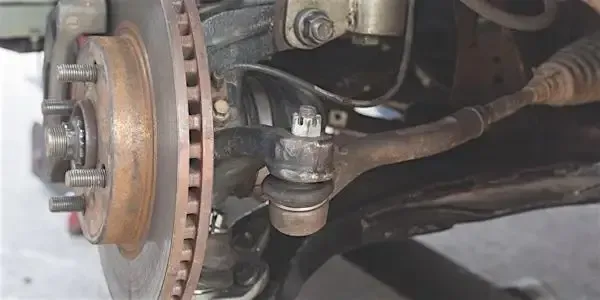
- Wheel Speed Sensors: Located at each wheel, these sensors track how fast the tires are spinning and send that data to the computer.
- Electronic Control Unit (ECU): The "brain" of the system that receives signals from the sensors and decides when to intervene.
- Hydraulic Control Unit (HCU): A series of valves that can increase, decrease, or hold the pressure of the brake fluid.
- Pump: Re-pressurizes the brake lines after the valves have released pressure.
Why is My ABS Warning Light On?
Seeing that amber or yellow "ABS" light on your dashboard can be unsettling. It indicates that the computer has detected a fault in the system and has likely disabled the anti-lock functionality. While your standard brakes will usually still work, you will no longer have the benefit of the anti-lock feature during a panic stop.
Common reasons for the light to illuminate include:
- Contaminated Sensors: Road salt, brake dust, and debris from Michigan roads can coat the sensors, preventing them from reading wheel speed accurately.
- Damaged Wiring: Sensors are connected by wires that can become brittle or be damaged by road debris.
- Low Brake Fluid: If the reservoir is low, it can trigger multiple warning lights related to your braking system.
- Faulty ABS Module: The computer itself can fail due to electrical shorts or internal wear.
- Worn Pump: The motor that drives the hydraulic pump can burn out over time.
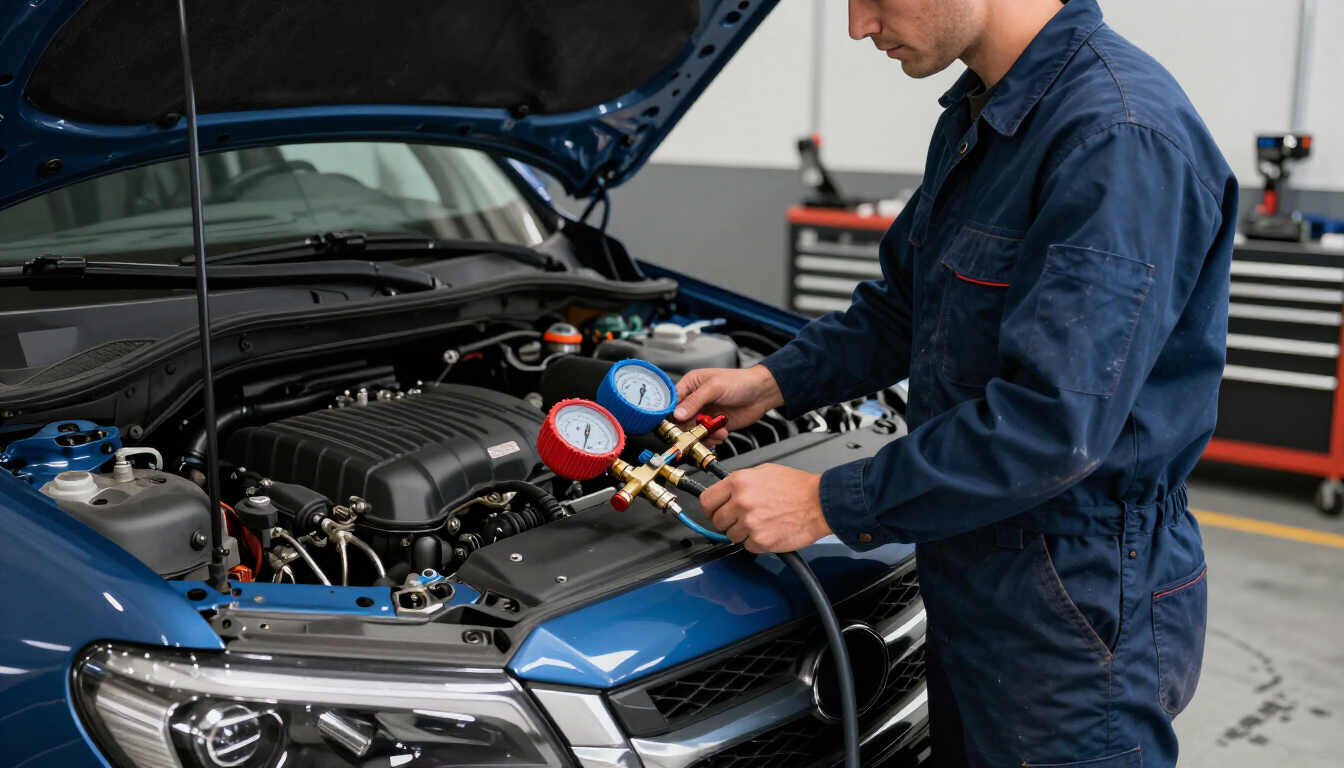
If your light is on, don't wait. You can Contact us today to schedule a diagnostic test. Our team uses advanced diagnostic tools to pinpoint the exact source of the failure, saving you time and money on unnecessary repairs.
Understanding the Difference Between ABS and Traction Control
It is common for drivers to confuse the anti-lock brake system with Traction Control (TCS) or Electronic Stability Control (ESC). While they often share the same wheel speed sensors, their roles are opposites. The ABS focuses on what happens when you are slowing down , preventing the wheels from stopping too quickly. Traction Control, on the other hand, focuses on what happens when you are accelerating , preventing the wheels from spinning fruitlessly on a slippery surface.
Because these systems are integrated, a failure in a wheel speed sensor will often disable both ABS and Traction Control simultaneously. This is why professional maintenance is so important. At Faithful Auto & Truck Repair, we are a faith-based auto repair service run on Christian principles, which means we prioritize your safety and provide honest assessments of which components actually need replacement.
Professional Brake Repair in Lapeer County
Since 2013, we have been striving to "Redefine The Auto Repair Experience!" for the residents of Northern Lapeer County. We understand that your vehicle is more than just a machine; it is what carries your family to school, work, and church. Whether you drive a compact car, a heavy-duty diesel truck, or a commercial van, our team has the expertise to handle complex electronic brake repairs.
Maintaining your ABS involves more than just waiting for a light to turn on. Regular brake fluid flushes are essential because brake fluid is hygroscopic—meaning it absorbs moisture from the air. Over time, this moisture can cause internal corrosion within the expensive Hydraulic Control Unit. By visiting us for routine maintenance, you can extend the life of your vehicle and ensure that when you need to stop suddenly, your car responds exactly as it should.
If you want to learn more about our mission and the people behind the service, visit our About us page. We are proud to use our God-given talents to serve our local community with integrity and excellence.
Summary of ABS Importance and Maintenance
Your anti-lock brake system (ABS) is a vital safeguard that bridges the gap between mechanical braking and electronic safety. It allows you to maintain steering control during the most critical moments on the road. By keeping the wheels from locking up, the system ensures that your tires can continue to provide the lateral grip needed to steer around hazards. Proper maintenance—including keeping your brake fluid clean and ensuring sensors are free of debris—is the best way to keep this system operational.
Core Takeaways:
- ABS saves lives by allowing steering under heavy braking.
- The ABS light means the system is disabled ; your car will stop, but it may skid.
- Sensors are the most common failure point , often due to environmental factors.
- Regular fluid changes protect the expensive hydraulic components of the system.
- Expert diagnosis is required to differentiate between sensor, wiring, or module issues.
Don't ignore your vehicle's safety signals. Whether you're coming from North Branch, Lapeer, or anywhere in between, remember: "You can put your faith in Faithful!"
Recent Posts