5 Signs to Replace Brake Calipers & Stay Safe
You should replace brake calipers when you notice the vehicle pulling to one side, visible fluid leaks, uneven brake pad wear, or persistent grinding and squealing noises. These hydraulic components are critical for pressing pads against rotors; any failure compromises your stopping distance and overall road safety.
What is a brake caliper and how does it work?
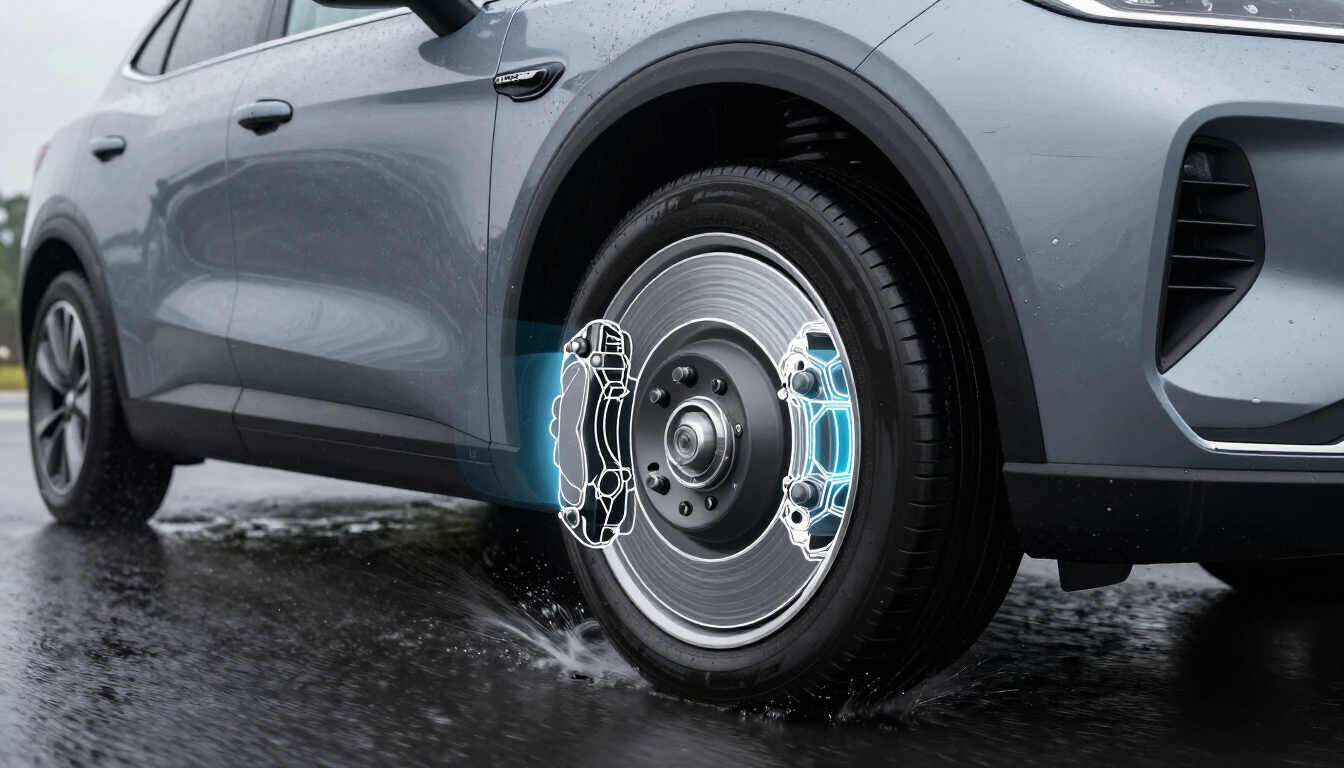
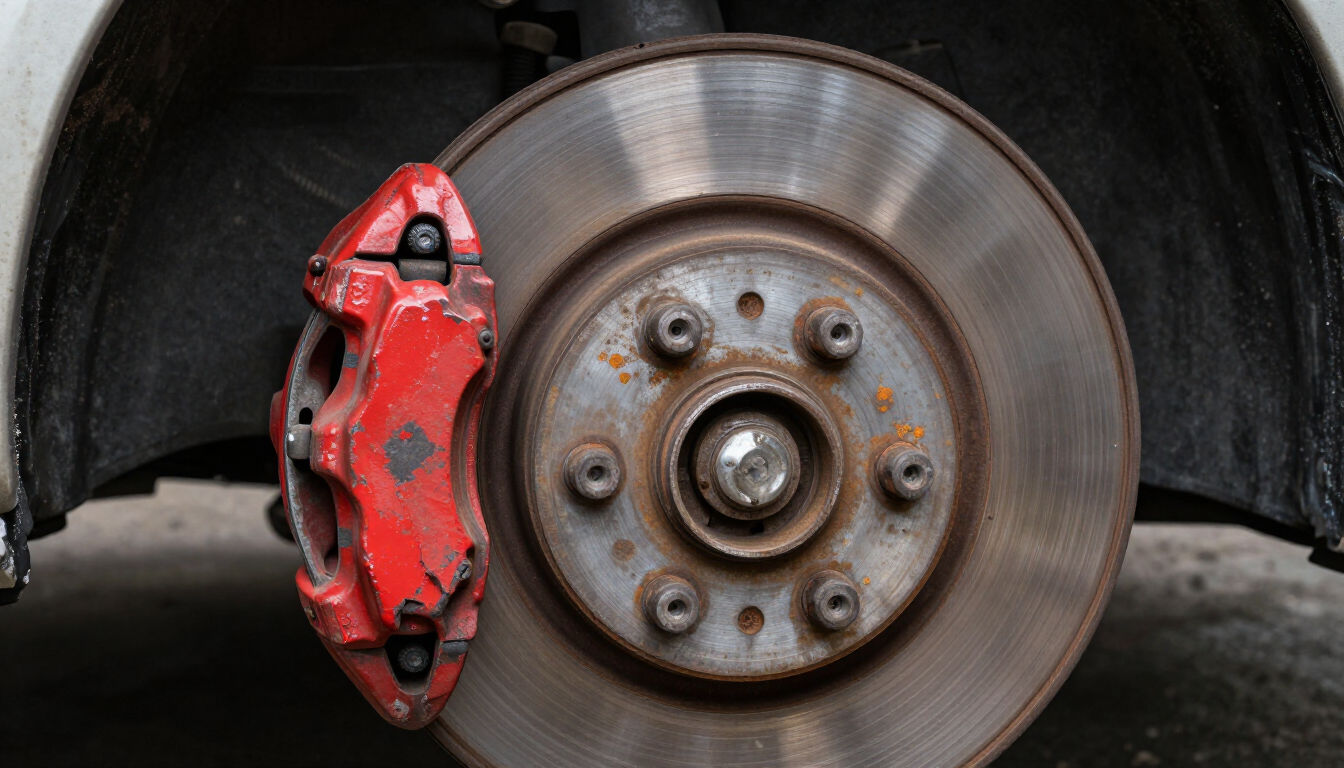
To understand when to replace brake calipers, you must first understand their role in your vehicle's safety system. The brake caliper is the heart of the disc brake system. When you press the brake pedal, brake fluid is forced through lines into the caliper. This hydraulic pressure pushes a piston inside the caliper, which then clamps the brake pads against the spinning rotor. This friction creates the force necessary to slow or stop your car.
There are two primary types of calipers: floating and fixed. Floating calipers move in and out relative to the rotor and typically have one or two pistons on the inboard side. Fixed calipers, often found on high-performance trucks or cars, are bolted directly to the bracket and use pistons on both sides of the rotor to apply even pressure. Regardless of the type, both rely on high-quality seals and smooth piston movement to function.
At Faithful Auto & Truck Repair, we see how these components endure extreme heat and environmental pressure. Because they are located behind the wheel, they are constantly exposed to dust, moisture, and road salt—especially here in Lapeer County. Over time, these elements can cause the metal to corrode or the rubber seals to degrade, leading to the common symptoms of failure. Understanding the mechanics helps you realize that a caliper isn't just a metal bracket; it is a precision hydraulic tool.
How long do brake calipers typically last?
Most drivers wonder if brake calipers are a regular maintenance item like oil filters or brake pads. Generally, brake calipers are designed to last for a significant portion of a vehicle's life, often between 75,000 and 100,000 miles. However, this lifespan is highly dependent on driving habits, environmental conditions, and maintenance frequency. If you live in an area with harsh winters where road salt is used, your calipers may fail sooner due to accelerated corrosion.
Regularly flushing your brake fluid is the best way to extend the life of your calipers. Brake fluid is hygroscopic, meaning it absorbs moisture from the air over time. This moisture can cause internal rusting within the caliper, leading to seized pistons. If you neglect your Our Services regarding brake fluid exchanges, you might find yourself needing to replace brake calipers much earlier than expected.
Top signs you need to replace brake calipers
Identifying a failing caliper early can save you from more expensive repairs, such as ruined rotors or damaged axles. Here are the most prominent warning signs that your vehicle needs professional attention:
- Vehicle Pulling to One Side: If a caliper is stuck or seized, it may apply constant pressure to the rotor or fail to apply pressure at all. This causes the vehicle to veer toward the side where the brakes are engaged or away from the side where they aren't working.
- Visible Brake Fluid Leaks: Calipers use rubber seals to keep hydraulic fluid contained. If these seals crack or tear, you will see wet spots on the inner wheel or puddles on your driveway. This is a major safety hazard.
- Uneven Brake Pad Wear: If you notice that one brake pad is significantly thinner than the others on the same axle, the caliper is likely not retracting properly, causing the pad to drag against the rotor.
- Strange Noises: A sticking caliper can cause a high-pitched squeal or a metallic grinding sound. This happens because the pad remains in contact with the rotor even when your foot is off the pedal.
- Reduced Stopping Power: If the caliper pistons are sluggish, you will notice that it takes more effort and distance to bring your vehicle to a complete stop.
Why does the car smell like it's burning?
One of the most immediate signs of a seized caliper is a distinct, pungent burning smell coming from the wheels. When a caliper fails to retract, the friction between the pad and the rotor creates immense heat. This heat can actually smoke the brake pads and cause the brake fluid to boil. If you smell something similar to burning rubber or hot metal after a drive, do not ignore it. This level of heat can warp your rotors and even damage your wheel bearings or tires. If you experience this, it is time to check our Special Offers and get your vehicle into the shop immediately.
Can you feel a stuck caliper through the pedal?
Yes, a failing caliper often communicates through the brake pedal. You might feel a pulsation, similar to what you feel when ABS engages, or the pedal might feel unusually soft or "spongy." A spongy pedal often indicates that air has entered the system through a leaking caliper seal. Conversely, if the caliper is seized, the pedal might feel incredibly hard or have very little travel. These changes in pedal feel are your car's way of telling you that the hydraulic balance is compromised.
Is it safe to drive with a stuck brake caliper?
Simply put: No. Driving with a compromised braking system puts you, your passengers, and other drivers at risk. A stuck caliper can lead to "brake fade," a condition where the brakes lose their effectiveness due to overheating. In extreme cases, the heat generated by a dragging caliper can cause the brake fluid to vaporize, leading to a total loss of braking pressure.
Furthermore, a vehicle that pulls sharply to one side during emergency braking is difficult to control. You might intend to stop in a straight line but find yourself veering into another lane or off the road. Safety is our top priority at Faithful Auto & Truck Repair. We believe in providing a dealership alternative that doesn't compromise on quality or safety. If you are unsure about your brakes, please Contact us for a thorough inspection.
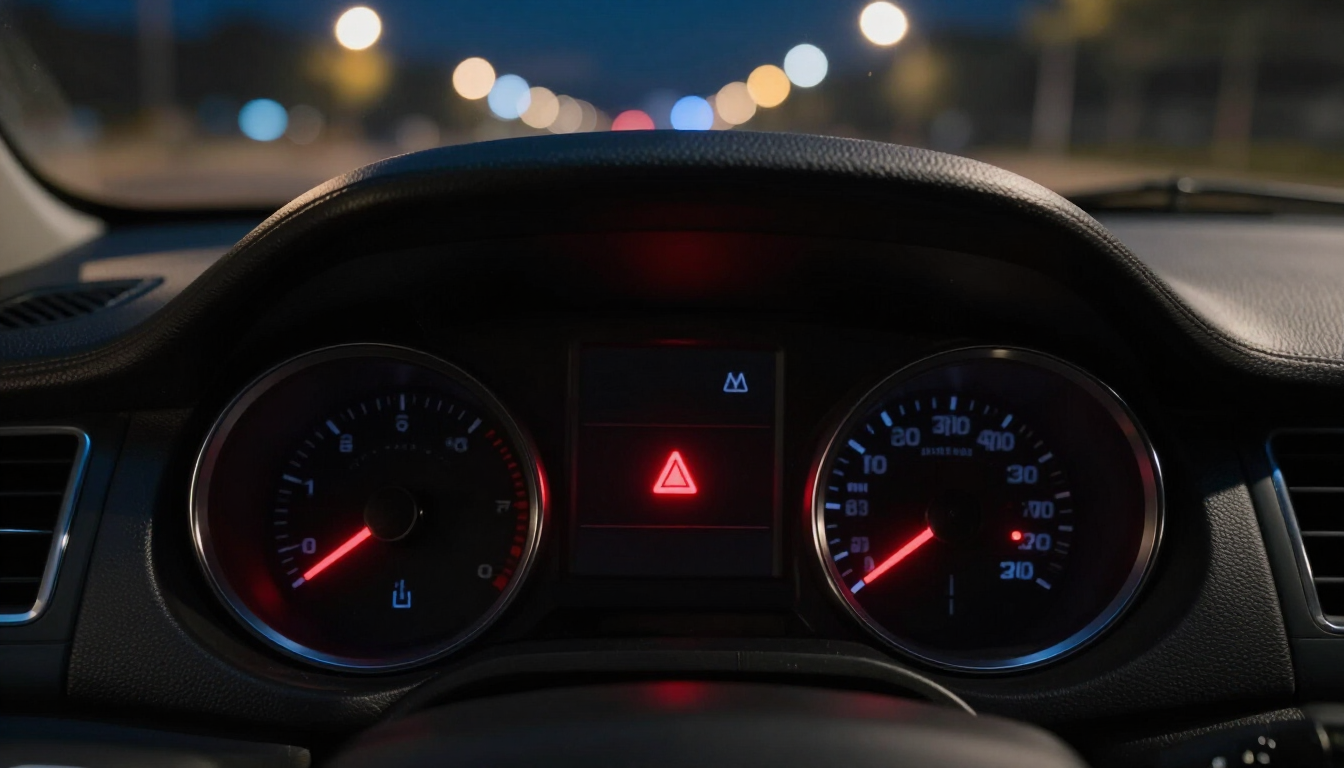
Common causes of brake caliper failure
While age is a factor, several specific conditions accelerate the need to replace brake calipers. Understanding these can help you better maintain your vehicle and potentially avoid unexpected breakdowns.
- Corrosion and Rust: Road salt and moisture lead to surface rust that can prevent the caliper from sliding smoothly on its pins.
- Contaminated Fluid: Dirty brake fluid carries debris and moisture that ruins internal seals and pits the piston surface.
- Heat Cycling: Frequent heavy braking generates extreme heat that eventually hardens the rubber boots and seals, causing them to crack.
- Neglected Brake Pads: Running your pads down to the metal puts excessive stress on the caliper pistons, often overextending them to the point of failure.
- Lack of Use: Ironically, vehicles that sit for long periods are more prone to seized calipers as moisture settles and rust forms without the movement to scrub it off.
At our shop, we focus on preventive maintenance to mitigate these issues. By choosing to work with a local, independent facility like ours, you get personalized service that looks at the big picture of your vehicle’s health. We have been serving Northern Lapeer County since 2013, and our owners, Bill McKnight and Mike Hutchinson, ensure that every job is handled with the integrity our customers expect. You can learn more About us and our commitment to Christian principles in everything we do.
The Faithful Auto difference in brake repair
When it comes time to replace brake calipers, where you go matters. Faithful Auto & Truck Repair is dedicated to "Redefining The Auto Repair Experience!" We know that many people find car repairs stressful and confusing. Our goal is to provide a transparent, faith-based service where you can trust the diagnosis and the quality of the work. We use high-quality parts that meet or exceed OEM standards, ensuring that your vehicle’s stopping power is restored to its factory potential.
We specialize in more than just standard cars; our team is equipped to handle heavy-duty trucks, diesel engines, and complex transmission work. This breadth of expertise means we understand the heavy-duty braking needs of working trucks in Lapeer County. We take pride in our God-given talents and use them to serve our community with excellence. Whether you are coming from North Branch, Lapeer, or beyond, you will find a team that treats your vehicle as if it were their own.
Summary of Key Takeaways
To keep your vehicle safe and your braking system responsive, keep these final points in mind:
- Act Fast: If you notice pulling, leaking, or strange smells, address the caliper immediately to avoid costlier rotor damage.
- Maintenance Matters: Regular brake fluid flushes are the single best way to prevent internal caliper corrosion.
- Trust the Pros: Caliper replacement involves opening the hydraulic system; it requires professional bleeding to ensure no air is trapped.
- Check the Pair: Often, if one caliper has failed due to age or environment, the one on the opposite side is close behind. Replacing them in pairs ensures balanced braking performance.
- Quality First: Use high-quality components to ensure longevity, especially if you frequently tow or drive in hilly terrain.
If you've been searching for a reliable shop near you, you've found it. Put your faith in Faithful and let us ensure your vehicle is ready for the road ahead. Whether you need a simple inspection or a full brake system overhaul, we are here to serve you. Visit our Home Page to schedule your appointment or see our full range of capabilities.
Recent Posts