6 Common Car AC Problems and How to Fix Them
Common car AC problems typically involve refrigerant leaks, electrical failures, or clogged filters. If your AC blows hot air, consumes excessive gas, or refuses to turn on, it often indicates a compressor fault or a system blockage. Identifying these issues early ensures efficient cooling and prevents expensive repairs.
Driving in the heat of a Michigan summer without a functioning air conditioner is more than just an inconvenience; it can be a safety hazard. At Faithful Auto & Truck Repair, we believe in helping our Lapeer County neighbors understand their vehicles better. When your AC starts acting up, it is rarely a mystery that can’t be solved with a bit of technical knowledge. The air conditioning system in your car or truck is a complex loop of high-pressure liquid and low-pressure gas, all working in harmony to pull heat out of the cabin. When one link in that chain breaks, the whole system suffers.
Whether you are noticing a strange smell or your vents are simply refusing to cooperate, knowing the signs of trouble is the first step toward a fix. Our team is dedicated to providing a "Redefine The Auto Repair Experience" approach, ensuring you feel confident in the services provided. By understanding the mechanics behind these six common problems, you can make informed decisions about Our Services and keep your vehicle running smoothly for years to come.
Why is my car AC blowing hot air?
One of the most frustrating car AC problems is turning the dial to the coldest setting and feeling nothing but a warm breeze. This issue is almost always related to the refrigerant—the lifeblood of your cooling system. Refrigerant (often called Freon) is a chemical that transitions between liquid and gas to absorb heat. If your system has a leak, even a small one, the pressure drops, and the air stops being cold. Because the AC system is a closed loop, any loss of refrigerant means there is a hole or a loose seal somewhere that needs attention.
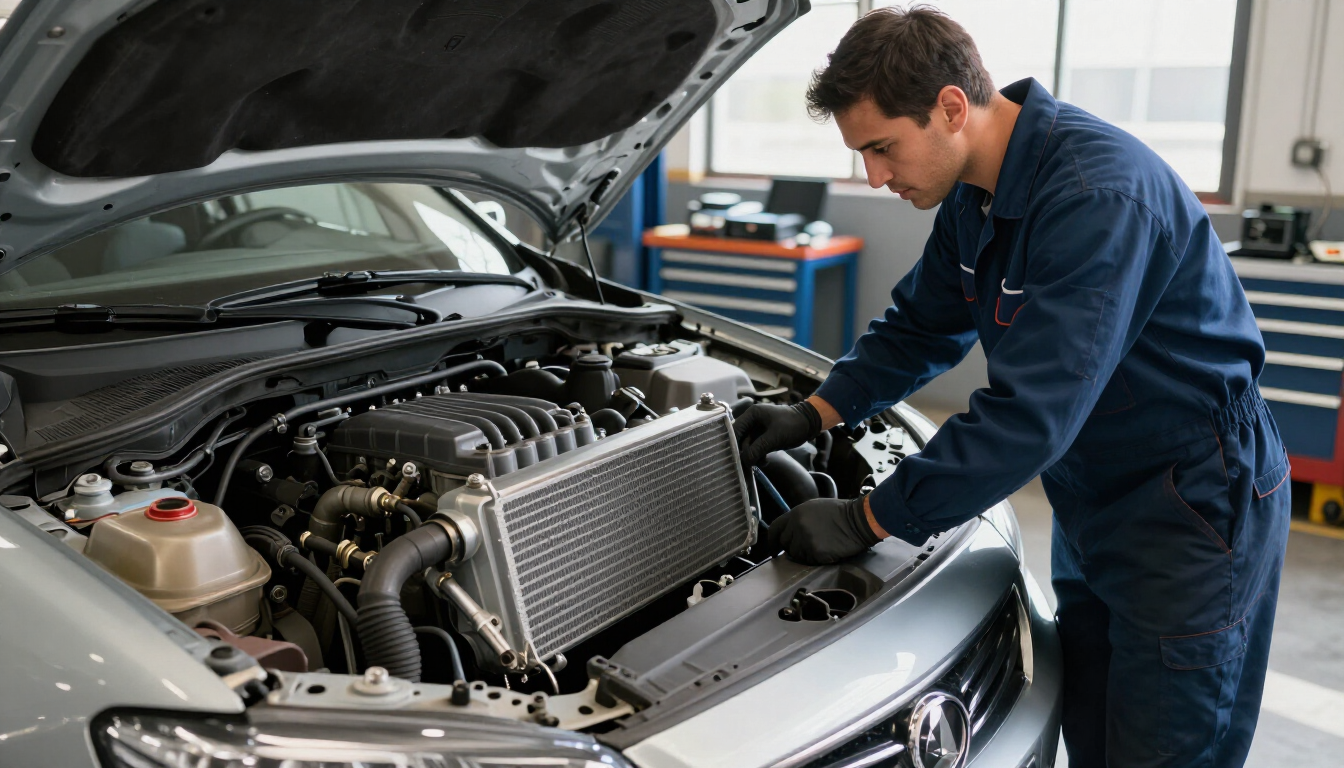
Beyond leaks, a failing compressor is another primary culprit. The compressor is the pump that moves the refrigerant through the system. If it can't engage, the refrigerant stays stationary, and no heat exchange occurs. Sometimes, the problem is simply a clogged condenser. The condenser sits at the front of your car and looks like a small radiator. It is responsible for shedding the heat absorbed from your cabin. If it’s covered in road debris, bugs, or dirt, it can't breathe, leading to hot air coming out of your vents.
What causes a car AC to not turn on?
If you press the AC button and absolutely nothing happens—no click from the engine, no change in RPM, and no air—you are likely dealing with an electrical or pressure-sensing issue. Your car's computer is designed to protect the AC system. If the pressure is too low (due to a leak) or too high (due to a blockage), the system will prevent the compressor from turning on to avoid catastrophic metal-on-metal damage. This is a common safety feature in almost all modern cars and trucks.
Other potential causes include:
- Blown Fuses: A simple electrical surge can pop the fuse dedicated to the AC compressor or the blower motor.
- Faulty Relays: Relays act as the switches that send power to the compressor. If the relay fails, the command to turn on never reaches the component.
- Broken Pressure Switch: This sensor tells the car if there is enough refrigerant. If the sensor itself breaks, it might report a false low-pressure reading.
- Wiring Damage: Rodents or heat cycles can damage the wires leading to the AC clutch.
If you find yourself in this situation, it’s best to Contact us for a professional diagnostic. Electrical troubleshooting requires specialized tools to trace the fault without guessing and replacing expensive parts unnecessarily.
High gas consumption and your AC system
Many drivers notice that their fuel efficiency drops when the AC is running, but did you know that a malfunctioning AC system can cause your gas mileage to plummet significantly further? Under normal conditions, the AC compressor puts a manageable load on the engine. However, if the system is struggling, that load increases. For instance, if the compressor is beginning to internalize damage or if the system is overcharged with too much refrigerant, the engine has to work much harder to turn the AC pulley. This parasitic drag eats away at your miles per gallon.
Furthermore, if your AC isn't cooling effectively, you might find yourself keeping the fan on the highest setting and the temperature at the lowest point for your entire commute. This constant demand prevents the compressor from cycling off, meaning the engine never gets a break from the extra work. A well-maintained AC system should reach the desired temperature and then "cycle," or turn the compressor off and on periodically to maintain that temp. If yours never cycles off, you are burning extra fuel every minute you drive. Regular maintenance at an independent facility like ours can ensure your system is optimized for efficiency.
Why does the cabin air filter matter?
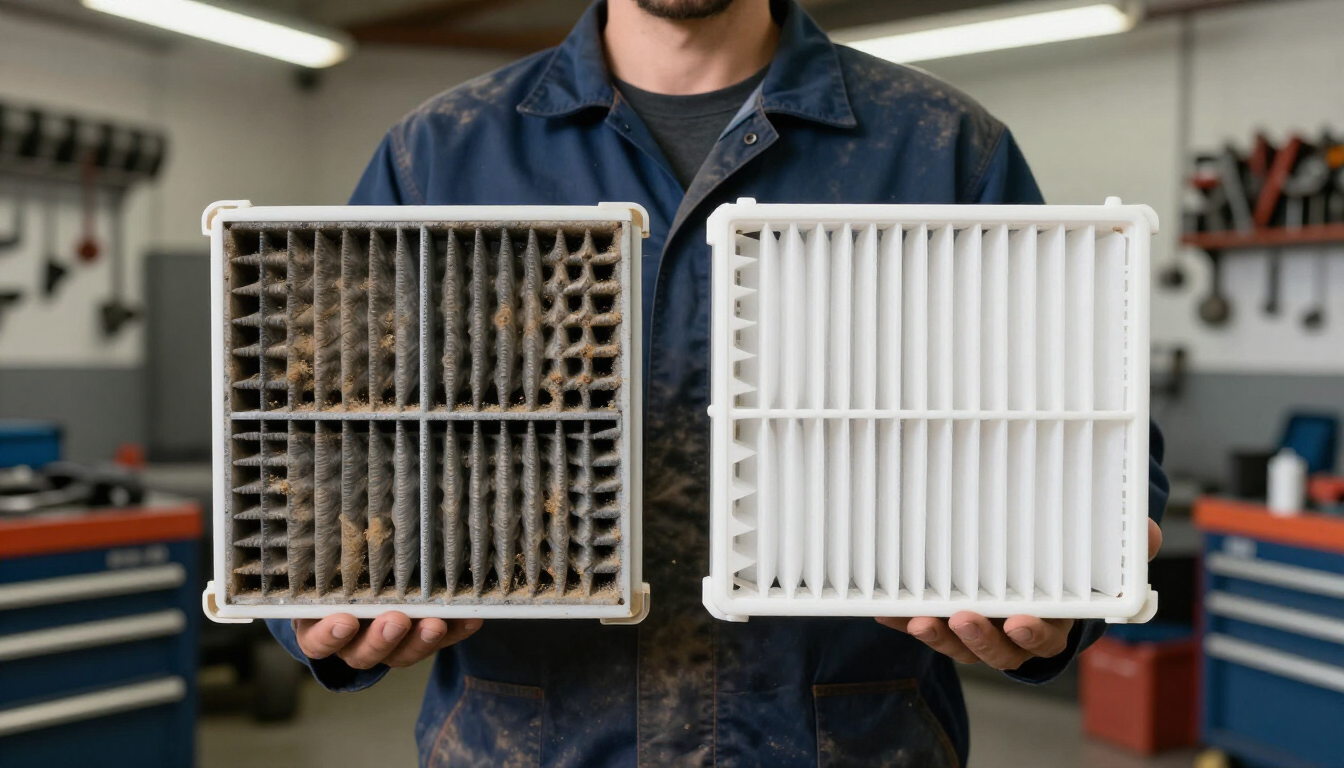
Your cabin air filter is the unsung hero of your car’s HVAC system. Its primary job is to catch dust, pollen, and debris before they enter your car's interior. However, its secondary job is just as critical: ensuring adequate airflow. When a filter becomes clogged with dirt, leaves, and grime, it acts like a wall. Your blower motor has to work twice as hard to push air through the thick layer of filth, which can eventually lead to the motor burning out entirely.
Common signs of a bad filter include:
- Weak Airflow: Even on the highest setting, the air feels like a faint whisper.
- Whistling Noises: Air struggling to get through small gaps in a dirty filter can create high-pitched sounds.
- Musty Odors: Organic material trapped in the filter can grow mold, sending a "gym bag" smell into the cabin.
- Increased Dust: You might notice more dust settling on your dashboard than usual.
Replacing this filter is one of the simplest and most cost-effective ways to improve your driving experience. Most manufacturers recommend changing it every 12,000 to 15,000 miles, but if you drive on dirt roads in Lapeer County, you might need to check it more often. At Faithful Auto & Truck Repair, we check these during routine maintenance to keep your air clean and your system breathing easy.
Understanding vent blockages and odors
Sometimes the air is cold, and the compressor is humming, but the air isn't coming out of the right places. This usually points to a problem with the "vents" or the internal ductwork. Your car uses a series of small doors, called blend doors or actuator doors, to direct air to the floor, the defrost, or the mid-level vents. These doors are moved by small electric motors called actuators. If an actuator fails, you might find that air only blows out of the defroster, no matter what setting you choose. This is not just a comfort issue; it can be a safety problem if you can't clear a foggy windshield in the morning.
Additionally, if you smell something foul when the vents open, it’s often due to the evaporator core. The evaporator is located deep inside your dash and gets very cold. Because it's cold, moisture from the air condenses on it. Usually, this water drains out under the car (that’s the puddle you see on your driveway). If the drain tube is blocked, that water sits in the dark, warm dash and grows mold. Cleaning the vents and ensuring the drain is clear is a vital part of professional AC service.
Why won't my car AC turn off?
It sounds like a strange problem, but an AC that won't turn off can be just as troublesome as one that won't turn on. This issue is typically caused by a shorted compressor relay or a fault in the climate control head unit. When the relay "sticks" in the closed position, it continues to provide power to the compressor clutch even when you've pressed the off button. Not only does this waste fuel and wear out your compressor, but it can also lead to the evaporator freezing over. If the AC stays on too long without the fan being high enough, the moisture on the coils turns to ice, eventually blocking all airflow.
If you notice your AC is running even when the climate control is off, it’s important to have it looked at quickly. Leaving the compressor engaged constantly can lead to the belt snapping or the compressor seizing, which can be a much more expensive repair. We are proud to serve the community with About us principles that prioritize honesty; we will find the specific electrical fault rather than suggesting a whole new system.
Final checklist for car AC maintenance
Maintaining your car's AC system doesn't have to be complicated. By staying proactive, you can avoid the most common car AC problems and enjoy a comfortable ride all year long. Remember that your AC is also used in the winter to dehumidify the air for defrosting, so it's a year-round component. Use the following takeaways to keep your system in top shape:
- Change your cabin filter annually to ensure maximum airflow and clean air.
- Run your AC for 10 minutes at least once a month, even in winter, to keep the seals lubricated.
- Listen for new noises , such as squealing or clicking, which often signal belt or compressor issues.
- Clear debris from the exterior vents at the base of your windshield to prevent clogs.
- Schedule a professional inspection if you notice any drop in cooling performance or fuel economy.
At Faithful Auto & Truck Repair, we are committed to using our God-given talents to serve our customers. If your AC is giving you trouble, don't sweat it out. Visit us today and see why so many people say, "You can put your faith in Faithful!"
Recent Posts