Why Your Car Is Burning Oil — What It Means, Why It Happens, and When to Worry
If your engine is “using” oil between changes, don’t brush it off. Oil doesn’t just disappear. When levels drop, it’s either leaking out—or getting burned inside the engine. And if it’s burning, something isn’t doing its job.
Let’s walk through what’s actually happening, why it happens, and how to know when it’s a minor annoyance versus a real problem.
What “Burning Oil” Actually Means
Your engine is designed to keep oil out of the combustion chamber. Oil lubricates moving parts, while fuel and air ignite to create power. When oil sneaks into that combustion process, it burns along with the fuel—and that’s where the trouble starts.
You might notice:
- Oil level dropping between changes
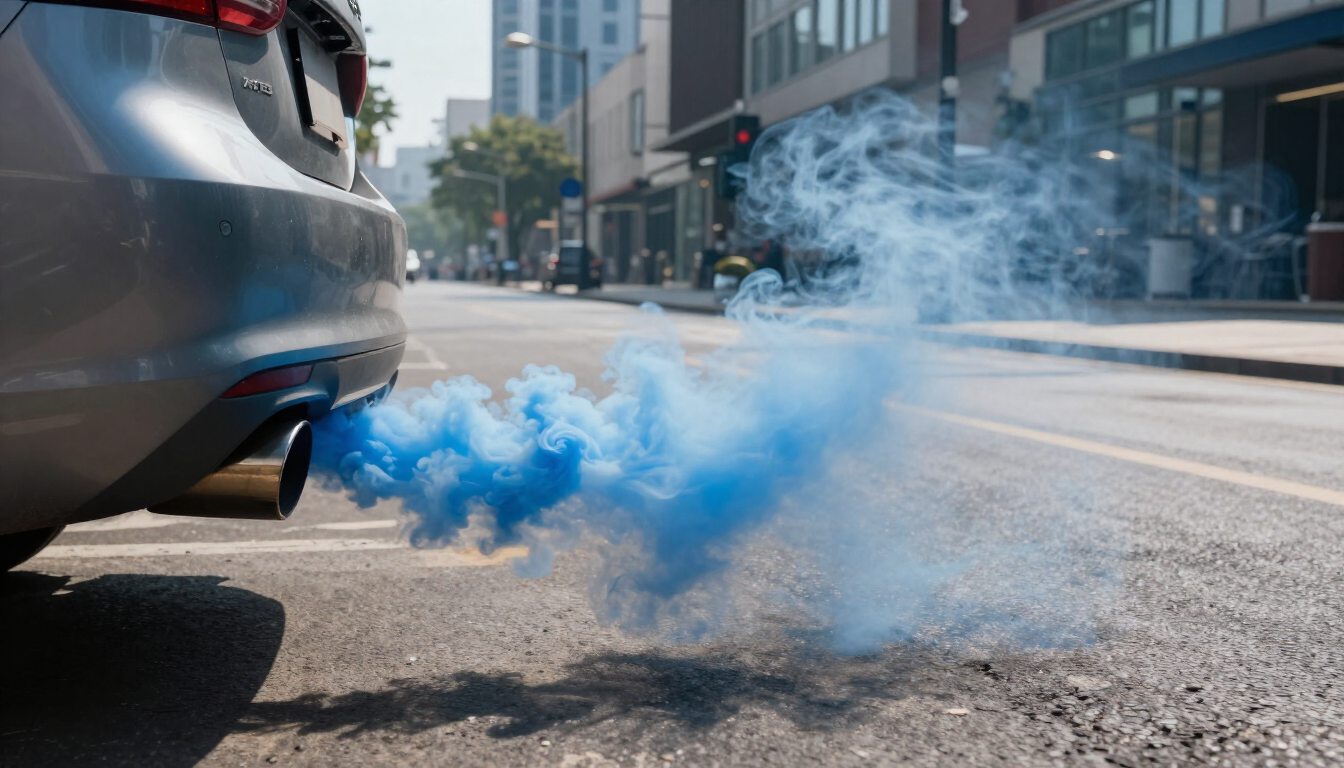
- Blue or gray smoke from the exhaust
- A burnt oil smell
- Fouled spark plugs or rough running
The Most Common Causes
1. Worn Piston Rings
Inside each cylinder, piston rings seal the gap between the piston and the cylinder wall. Over time, these wear out.
When that happens:
- Oil slips past the rings into the combustion chamber
- Compression drops
- The engine loses efficiency
This is one of the most common causes on higher-mileage engines—and it usually means internal wear, not a quick fix.
2. Failing Valve Stem Seals
Valve seals prevent oil from dripping down into the cylinders through the top of the engine.
When they fail:
- Oil leaks into the combustion chamber while the engine sits
- You’ll often see a puff of blue smoke on startup
- It may also happen after idling for a while
This issue is common on aging engines and can sometimes be repaired without a full rebuild.
3. PCV System Problems
The PCV (Positive Crankcase Ventilation) system regulates pressure inside the engine.
If it fails:
- Pressure builds up or vacuum pulls oil into the intake
- Oil gets burned unintentionally
This is one of the easiest and cheapest problems to fix—but it’s often overlooked.
4. Turbocharger Seal Leaks (If Equipped)
Turbocharged engines rely on oil for lubrication.
If the turbo seals fail:
- Oil leaks into the intake or exhaust system
- You may see consistent smoke, especially under acceleration
5. Engine Design and Maintenance Habits
Some engines are simply more prone to oil consumption. Manufacturers like Toyota, Subaru, and certain GM models have had known oil consumption issues in specific engines.
Combine that with:
- Long oil change intervals
- Low-quality oil
- High mileage
…and oil burning becomes much more likely.
When It’s Normal vs. When It’s a Problem
Acceptable (But Not Ideal)
- About 1 quart every 2,000–3,000 miles
- No smoke
- Engine runs smoothly
This is fairly common in older engines, but it still needs monitoring.
Time to Pay Attention
- 1 quart every 1,000 miles or less
- Occasional blue smoke
- Oil smell or dirty spark plugs
At this point, something is wearing out or failing.
Immediate Concern
- Constant blue smoke
- Oil warning light flickering
- Engine misfires
- Rapid oil loss
This is where damage is happening right now—not later.
What You Should Do Next
IInstead of guessing, follow a logical process:
- Check for external oil leaks
- Inspect or replace the PCV valve
- Monitor oil consumption over mileage
- Check spark plugs for oil fouling
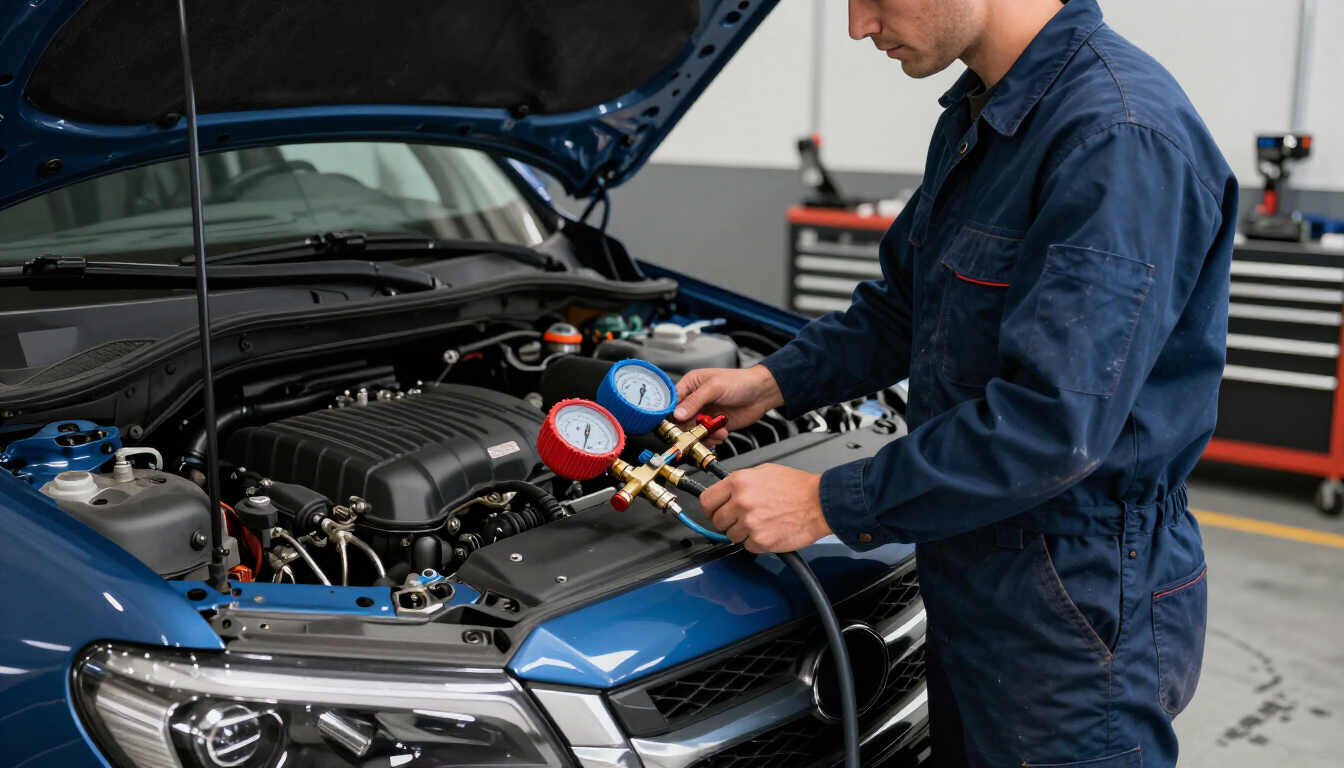
- Perform a compression or leak-down test if needed
These steps separate a simple fix from a major engine problem.
The Hard Truth
If the issue is worn piston rings or cylinder walls, there’s no shortcut. No additive, no “engine restore,” and no quick fix is going to solve it.
At that point, your options are:
- Engine repair (if caught early enough)
- Engine rebuild
- Engine replacement
Final Thoughts
Oil consumption is one of those problems that starts small and gets expensive fast—especially if ignored. The key isn’t just knowing that your engine is burning oil, but understanding why.
Catch it early, diagnose it properly, and you can avoid turning a manageable issue into a full engine failure.