Tie rod ends and ball joints may be relatively small suspension and steering components, but they have an important job. They help you maintain control of your vehicle while keeping the wheels properly positioned as you steer and travel over bumps.
When these parts wear out, they can cause loose steering, uneven tire wear, alignment problems, and unsafe handling. Understanding the warning signs can help you address the problem before it leads to additional repairs—or a dangerous component failure.
What Are Tie Rod Ends?
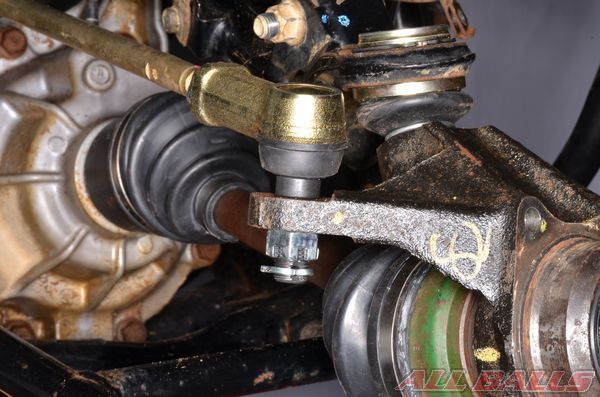
Tie rod ends are part of your vehicle’s steering system. They connect the steering rack or steering linkage to the steering knuckles at the wheels. When you turn the steering wheel, the tie rods transfer that movement to the front wheels.
Most tie rod ends use a ball-and-socket joint that allows the steering system to move while the suspension travels up and down. Over time, this joint can wear and develop excessive movement or looseness.
Signs of Worn Tie Rod Ends
Common warning signs include:
- Loose or wandering steering
- Excessive play in the steering wheel
- Clunking or knocking noises while turning
- Uneven or rapid front-tire wear
- A steering wheel that is no longer centered
- Vehicle pulling to one side
- Difficulty maintaining proper wheel alignment
- Vibration felt through the steering wheel
A worn tie rod end can allow the toe angle of the wheel to change while driving. This can quickly damage the tires and make the vehicle feel unstable.
What Are Ball Joints?
Ball joints connect the steering knuckles to the vehicle’s control arms. They act as pivot points, allowing the wheels to turn left and right while also moving up and down with the suspension.
Depending on the vehicle’s suspension design, it may have upper ball joints, lower ball joints, or both. Some ball joints can be replaced separately, while others are built into the control arm and require replacement of the complete assembly.
Signs of Worn Ball Joints
Possible symptoms include:
- Clunking or popping noises over bumps
- Squeaking when turning or when the suspension moves
- Uneven tire wear
- Vehicle wandering or feeling unstable
- Excessive vibration from the front suspension
- Steering that feels loose or unpredictable
- Visible damage to the ball-joint dust boot
- Grease leaking from the joint
Ball-joint wear may be gradual, so drivers sometimes become accustomed to the vehicle’s changing handling. A professional inspection can identify looseness before it becomes severe.
Why Do Tie Rod Ends and Ball Joints Wear Out?
These components carry significant loads and move constantly while the vehicle is being driven. Common causes of premature wear include:
- Normal mileage and age
- Potholes and rough roads
- Striking curbs
- Torn or damaged protective boots
- Loss of grease or lubrication
- Corrosion caused by water and road salt
- Worn shocks, struts, or other suspension components
- Oversized wheels or modified suspension systems
Michigan potholes, winter road salt, and rough road conditions can be especially hard on steering and suspension components.
Are Worn Tie Rod Ends or Ball Joints Dangerous?
Yes. Severe wear can reduce steering control and make the vehicle difficult to handle, especially during emergency braking or sudden steering maneuvers.
If a tie rod end separates, the affected wheel may no longer respond properly to steering input. If a load-bearing ball joint separates, the wheel and steering knuckle can collapse out of position. Either failure can result in an immediate loss of control and significant damage to the vehicle.
Will the Vehicle Need an Alignment After Replacement?
In most cases, an alignment should be performed after replacing a tie rod end because tie rod adjustment directly affects the vehicle’s toe setting.
An alignment may also be necessary after ball-joint or control-arm replacement. Even if the new component is installed correctly, small differences can change the wheel alignment. Proper alignment helps protect the tires, improve handling, and ensure the steering wheel remains centered.
However, an alignment cannot correct looseness caused by worn steering or suspension parts. Those components must be repaired first.
How Are Tie Rod Ends and Ball Joints Inspected?
A proper inspection may include:
- Checking for excessive movement in the joints
- Inspecting protective boots for cracks or tears
- Looking for grease leakage or corrosion
- Checking the steering linkage while an assistant moves the steering wheel
- Measuring ball-joint movement when required by the manufacturer
- Inspecting tires for wear patterns associated with looseness or misalignment
- Road-testing the vehicle to evaluate steering and suspension behavior
Different suspension designs require different inspection procedures. Simply shaking the tire is not always enough to accurately diagnose every ball joint.
Don’t Ignore Steering or Suspension Warning Signs
Clunking noises, loose steering, uneven tire wear, and repeated alignment problems are signs that your vehicle should be inspected. Replacing worn tie rod ends or ball joints promptly can prevent tire damage, protect surrounding components, and—most importantly—help keep the vehicle safe to drive.
If your vehicle is making suspension noises or no longer feels stable on the road, contact
Faithful Auto & Truck Repair to schedule a steering and suspension inspection. Our technicians can determine what is worn, explain what needs immediate attention, and help you make an informed repair decision.